

sun
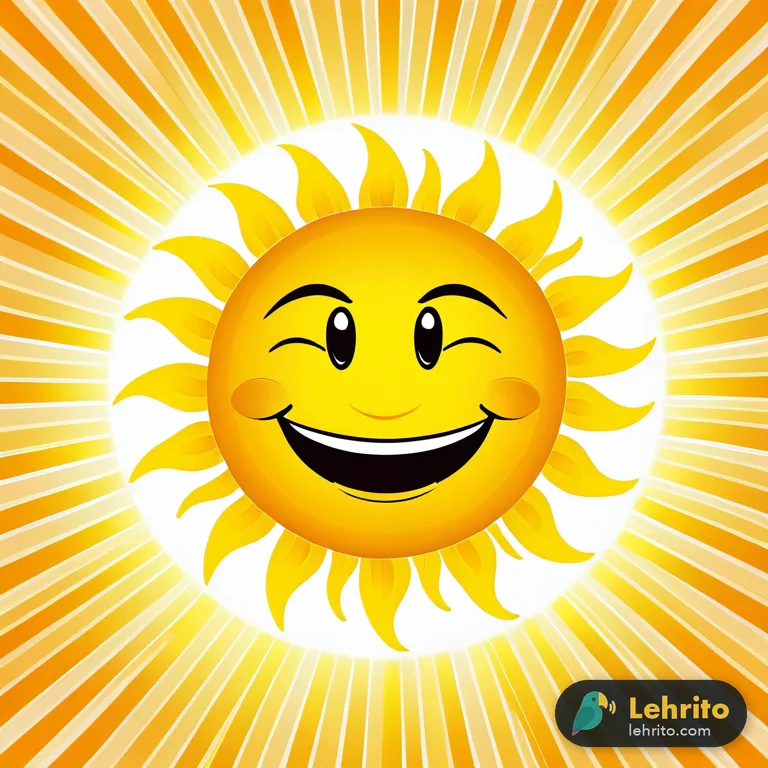
Определение
The star at the centre of the solar system that provides light and heat to Earth
солнце
Чтобы запомнить
Представь яркое, улыбающееся лицо солнца с расходящимися лучами. Это поможет тебе запомнить солнце как теплую, жизнерадостную звезду в небе.
Примеры
- A1
The sun rose early this morning and filled the bedroom with golden light that made it impossible to sleep any longer.
Солнце взошло рано утром и залило спальню золотым светом, из-за которого было невозможно спать дольше.
- A1
She put on sunglasses because the sun was very bright and was shining directly into her eyes as she drove along the coastal road.
Она надела солнечные очки, потому что солнце было очень ярким и светило прямо в глаза, пока она ехала по прибрежной дороге.
- A2
The plants in the garden need at least six hours of direct sun each day to grow properly and produce fruit or flowers during the summer season.
Растениям в саду нужно как минимум шесть часов прямого солнца в день, чтобы правильно расти и давать плоды или цветы в летний сезон.
- A2
After several days of rain, they were delighted when the sun finally came out and they could sit outside on the terrace and enjoy their lunch.
После нескольких дней дождя они обрадовались, когда солнце наконец вышло и они смогли сесть снаружи на террасе и насладиться обедом.
- B1
The sun is a G-type main-sequence star approximately 4.6 billion years old, composed mainly of hydrogen and helium, with a surface temperature of around 5,500°C and a core temperature of approximately 15 million°C where nuclear fusion converts hydrogen to helium, releasing the energy that sustains life on Earth.
Солнце является звездой главной последовательности спектрального класса G, возрастом около 4,6 миллиарда лет, состоящей главным образом из водорода и гелия, с температурой поверхности около 5500°C и температурой ядра около 15 миллионов°C, где ядерный синтез преобразует водород в гелий, высвобождая энергию, поддерживающую жизнь на Земле.
- B1
Solar energy — the conversion of sunlight into electricity through photovoltaic cells or concentrating solar power systems — has undergone a dramatic cost reduction of more than 90% since 2010, making it one of the cheapest sources of new electricity generation in most of the world and driving a rapid expansion of installed capacity that is transforming electricity systems globally.
Солнечная энергия — преобразование солнечного света в электричество через фотогальванические элементы или концентрирующие солнечные энергосистемы — претерпела резкое снижение стоимости более чем на 90% с 2010 года, став одним из самых дешёвых источников новой электрогенерации в большинстве стран мира.
- B2
The sun's electromagnetic spectrum extends far beyond the visible light that we perceive: it radiates in ultraviolet (responsible for both vitamin D synthesis and DNA damage), infrared (the primary carrier of solar heat), X-rays (mostly absorbed by the upper atmosphere), and radio waves, each waveband carrying distinct implications for planetary atmospheres, human biology, and satellite communications.
Электромагнитный спектр Солнца простирается далеко за пределы видимого света: оно излучает в ультрафиолетовом диапазоне (ответственном как за синтез витамина D, так и за повреждение ДНК), инфракрасном (основной носитель солнечного тепла), рентгеновском (в основном поглощаемом верхней атмосферой) и радиоволновом диапазонах.
- B2
Ancient solar mythology — in which the sun is personified as a deity (Ra in Egypt, Helios in Greece, Surya in Hinduism, Tonatiuh in Aztec religion) — reflects the sun's foundational importance in agricultural societies dependent on solar cycles for planting, harvesting, and seasonal regulation; the alignment of monumental architecture with solar events (solstices, equinoxes) at sites from Stonehenge to Angkor Wat suggests that solar tracking was both a practical and a sacred activity.
Древняя солярная мифология — в которой солнце персонифицировано как божество (Ра в Египте, Гелиос в Греции, Сурья в индуизме, Тонатиу в ацтекской религии) — отражает фундаментальную важность солнца в аграрных обществах, зависимых от солнечных циклов для посева, сбора урожая и сезонной регуляции.
Синонимы


