

river
Definition
A large natural flow of water travelling along a channel to the sea, a lake, or another river
To remember it
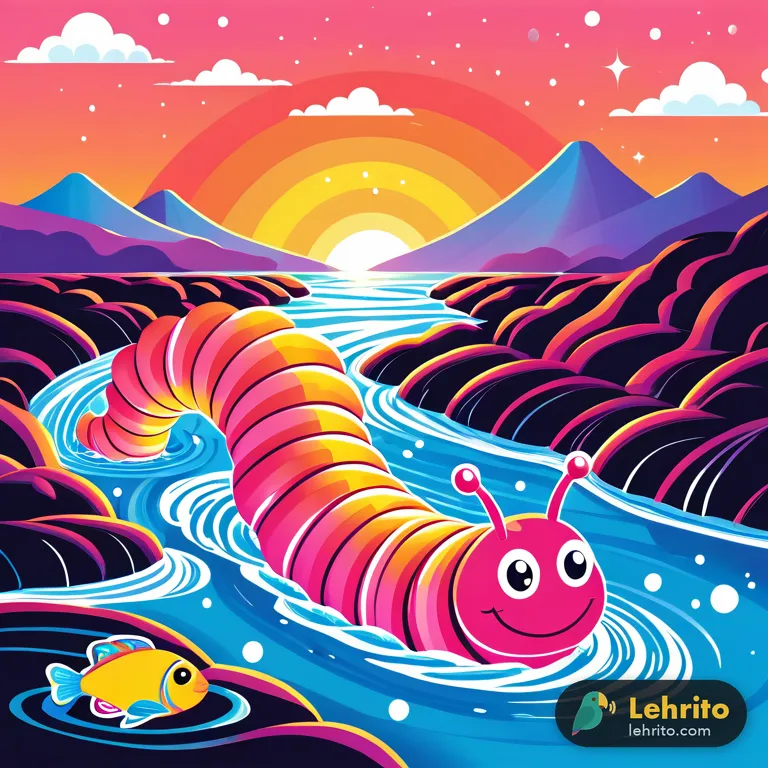
Picture the colorful, wavy water in this picture. Think of it as a river flowing through a magical landscape.
Examples
- A1
The children spent the afternoon playing by the river, throwing stones into the water, looking for frogs and insects in the reeds, and paddling in the shallow parts near the bank.
- A1
The Amazon is the largest river in the world by volume of water flow, carrying more water to the sea than the next seven largest rivers combined, and draining an enormous basin that covers much of South America.
- A2
The old town was built on a bend in the river where merchants once brought their goods by boat, and you can still see the remains of the ancient quays and warehouses along the riverfront that have been converted into restaurants and cafes.
- A2
The river flooded after three days of unusually heavy rainfall, and the water level rose so quickly that emergency services had to evacuate several hundred households from the affected areas before the worst of the flooding reached them.
- B1
River pollution has been one of the most serious environmental challenges of the industrial era, with industrial effluents, agricultural runoff carrying fertilisers and pesticides, and inadequately treated sewage all contributing to the degradation of freshwater ecosystems that support enormous biodiversity and provide clean water to billions of people.
- B1
The damming of rivers for hydroelectric power generation has been one of the most controversial forms of infrastructure development in the past century, providing clean electricity and water storage but at the cost of flooding river valleys, disrupting fish migration, and transforming the ecology of rivers in ways that often reduce their biodiversity and productivity.
- B2
The political geography of international rivers creates complex governance challenges because upstream users can significantly affect downstream availability and quality: upstream damming, water extraction, or pollution by one country can devastate the water resources of downstream countries, with international law attempting to balance equitable utilisation, the prohibition of significant harm, and the obligation to cooperate.
- B2
Ancient river civilisations developed in the vicinity of major rivers that provided the predictable annual flooding needed to deposit fertile silt on agricultural land, the water needed for irrigation, the transport routes needed for trade, and the fish protein that supplemented agricultural diets, with the management of river resources requiring the development of administrative and engineering capacities that contributed to the emergence of complex state organisation.


