

fire
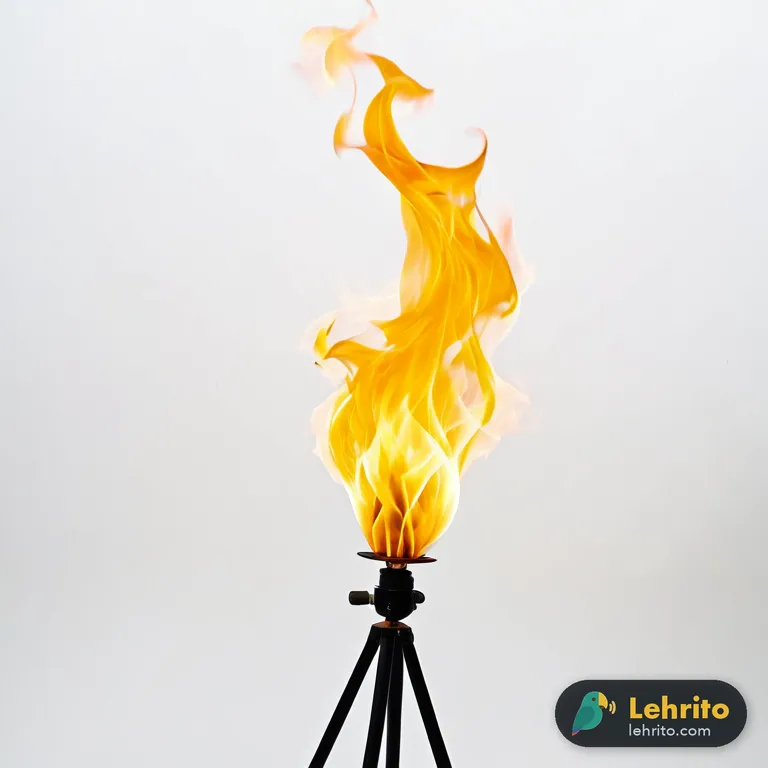
Definition
The rapid oxidation of a material that produces heat, light, and flames; a combustion process
To remember it
Picture the bright orange flames dancing on a tripod stand, and remember 'fire' as the warm, glowing energy that lights up the night.
Examples
- A1
The children sat around the fire to stay warm on the cold winter evening.
- A1
Do not play with fire because it is very dangerous and can cause serious burns.
- A2
The firefighters arrived quickly to put out the fire before it spread to other buildings.
- A2
She was afraid that the boss would fire her if she made another mistake at work.
- B1
The controlled use of fire was one of the most transformative developments in human prehistory: fire enabled cooking (which made food safer, more digestible, and nutritionally richer), provided warmth that allowed habitation of colder climates, offered protection from predators, extended productive hours into darkness, and created social focal points around which communities could gather; anthropologists debate when Homo sapiens or earlier hominids first achieved reliable fire control.
- B1
The chemistry of combustion involves the rapid oxidation of a fuel in the presence of oxygen: the fire triangle requires fuel, heat, and oxygen; fire extinguishers work by removing one of these elements (CO2 extinguishers displace oxygen; water reduces temperature; dry chemical interrupts the chain reaction); understanding fire chemistry is essential for fire safety engineering, fire investigation, and the design of flame-retardant materials.
- B2
Fire has profound symbolic dimensions across world cultures and religions: the Greek myth of Prometheus who stole fire from the gods represents the ambivalent nature of technology as both gift and transgression; fire represents purification in many traditions; the eternal flame symbolizes continuous remembrance; the hearth fire as the center of domestic life underlies the word "focus" (Latin for hearth); and fire's association with passion, desire, and inspiration permeates metaphorical language.
- B2
Wildfire ecology reveals fire as a natural and sometimes necessary ecological process: many ecosystems (including chaparral, longleaf pine savannas, and tallgrass prairies) are fire-adapted and depend on periodic burning for nutrient cycling, habitat renewal, and the suppression of invasive species; Native American land management included deliberate use of fire for these purposes; a century of aggressive fire suppression by US land management agencies has allowed fuel accumulation that makes modern wildfires more intense and destructive.
Synonyms
Antonyms
Tags


