

cat
Definition
A small domesticated carnivorous mammal kept as a pet
To remember it
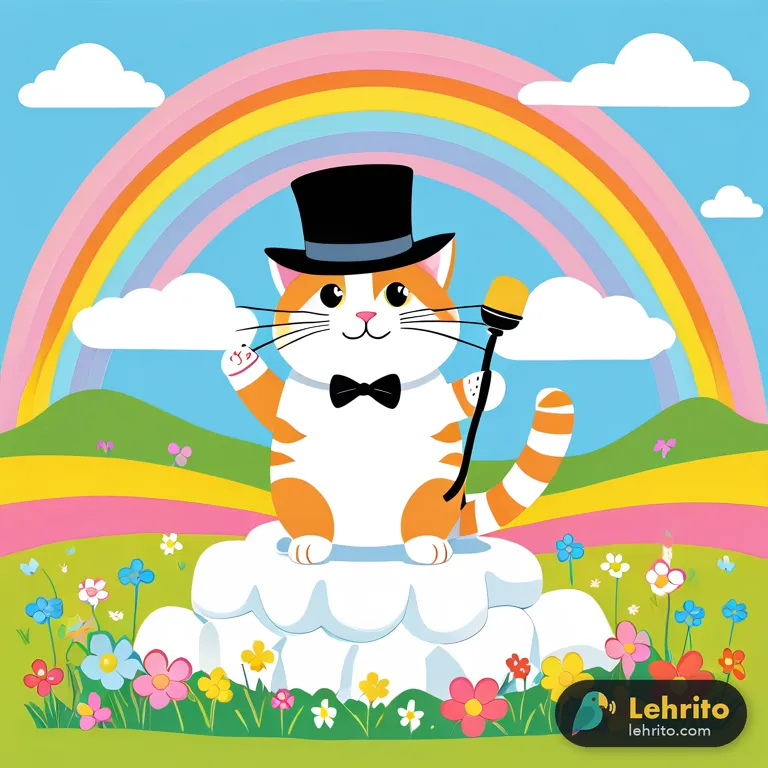
Picture the cute orange and white cat wearing a top hat, singing into a microphone. This helps you remember 'cat' as it's a fun and colorful animal.
Examples
- A1
She has two cats — a ginger tom called Marmalade and a small black and white cat called Domino — who are very affectionate and love to sit on her lap in the evenings.
- A1
The cat jumped up onto the kitchen counter and knocked over the bowl of fruit before running off into the other room when he heard me coming.
- A2
The documentary about wild cats showed footage of lions, leopards, cheetahs, and tigers in their natural habitats, explaining how each species has adapted to hunt different types of prey.
- A2
He let the cat out of the bag accidentally by mentioning the surprise party in front of everyone, so now the birthday girl knows about the event that was supposed to be a secret.
- B1
The evolutionary relationship between domestic cats and humans differs fundamentally from that of domestic dogs: while dogs were actively selected by humans over thousands of years for cooperation, social sensitivity, and task-oriented behaviour, domestic cats (Felis catus) underwent a much more autonomous self-domestication process in which they associated themselves with early agricultural settlements because the grain stores attracted rodents, their natural prey, with human tolerance and occasionally active encouragement providing sufficient selective pressure to modestly reduce fearfulness and increase sociability over time.
- B1
The cultural history of cats in different civilisations reflects very different attitudes to these animals: while ancient Egypt venerated cats as sacred animals associated with the goddess Bastet and the penalty for killing a cat was death, medieval European Christianity associated cats (particularly black cats) with witchcraft and the devil, leading to periodic mass killings of cats during witch-hunting panics; contemporary Western cultures have rehabilitated the cat to the status of beloved companion animal and internet celebrity, making it perhaps the most extensively documented non-human animal on the internet.
- B2
The feline predatory behaviour that makes domestic cats effective mousers also makes them a significant ecological threat in environments where they have been introduced: outdoor cats and feral cat populations have been identified as a major contributor to songbird and small mammal declines in many regions, with estimates suggesting that domestic and feral cats kill billions of birds annually in North America alone — a finding that creates genuine tension between the welfare interests of companion animals and the conservation interests of endangered prey species, generating difficult policy questions about how to manage cat populations humanely while reducing ecological impact.
- B2
The immunological significance of cats as reservoir hosts for the parasite Toxoplasma gondii — which can only complete its sexual reproductive cycle in the gut of cats but can infect a wide range of warm-blooded animals, including humans — has generated extensive research on the behavioural effects of Toxoplasma infection, with some studies suggesting that infected rodents show reduced fear of cats (potentially adaptive for the parasite, which benefits from infected rodents being eaten) and with more speculative research suggesting possible effects on human personality and risk-taking behaviour, though the human evidence remains contested.


